

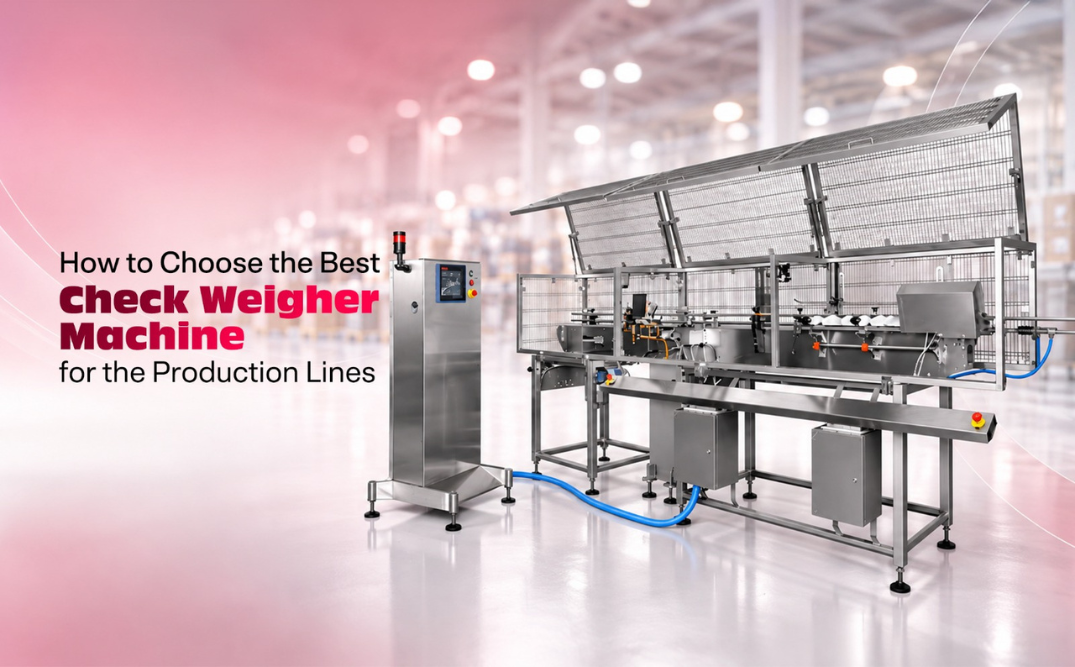
If your production line handles packaged goods, you already know one truth: weight accuracy is not optional. These little mistakes add up over time and can result in compliance fines, wasted product, or an unhappy customer. That's one of the reasons why, along with other decisions such as packaging design and line layout, the selection of the right check weigher is one of the more essential equipment decisions that a manufacturer can make. So in this check weigher guide, we can take a look at the essential components: accuracy, speed, compliance, and support, to help you select a machine that's not only in your budget but the right machine for your line.
Companies such as Astropack have made a name for themselves as they have helped manufacturers overcome just this problem, providing equipment that is based on real factory environments and not lab-perfect. Whether you are purchasing your first check weigher or upgrading an older machine, it's important that you understand what makes a check weigher trusted so that you can make an informed decision.
What Does a Check Weigher Actually Do?
A check weigher is a machine that automatically assesses a production line to verify that each product conforms to its set weight. Prevents underweight or overweight products from reaching packaging or shipping. This means your brand is shielded from regulatory problems, and you are not losing customer confidence. In theory, accurate and rapid weighing is very simple, but the technology behind it is a bit more complicated.
5 Key Factors to Consider Before Buying a Check Weigher Machine
Before we invest in a check weigher machine, consider the following factors to make sure it meets your production requirements, quality standards, and future business needs.
-
Weighing Accuracy and Speed
All check weighers are not equal at speed. There are some machines that have a loss in accuracy depending on the line speed. Find a machine that has been run at your production speed, not just at the maximum speed. Don't take marketing claims; ask for real performance data.
-
Product Type and Packaging
A check weigher built for rigid boxes may struggle with soft, irregular, or liquid-filled packages. Check that the load cell technology and conveyor design of the machine are appropriate for your product range. If your line handles many product kinds, flexibility is more important than raw speed.
-
Integration With Existing Systems
Your check weigher should work smoothly with the existing conveyor, metal detectors, and labelers. Lack of integration results in production delays and downtime. Check the compatibility of the communications protocols your factory uses before purchase.
-
Compliance and Certification
Depending on your industry and region, your check weigher may need to meet specific legal-for-trade or food safety standards. Always check the certifications up front. This one thing alone can save a lot of rework on the downside.
-
Ease of Maintenance and Support
Production delays are expensive. Select a supplier who has a quick response time and has readily available spare parts. Good specifications and poor after-sales service can make a machine a long-term liability.
Common Mistakes to Avoid Before Buying a Check Weigher Machine
A lot of manufacturers select a check weigher just because of the price. This often backfires. A lower-cost machine, if it is misreading the load or is breaking down often, is going to cost much more for the machine's lifetime. Others do not think about the future and purchase a machine that they can use for now, but not later. When choosing equipment, a minimum of 3-5 years forward planning is recommended.
How to Make the Right Decision
Ideally, test the machine before you buy it, using your own products. Ask to perform a demonstration, see some actual accuracy records, and talk to current equipment users. A supplier who is well confident in their technology will welcome this kind of scrutiny.
Ready to Buy the Best Check Weigher Machine for Your Production Lines?
The decision on which check weigher machine to use is not only a technical choice, it's a business decision impacting compliance, cost, and customer confidence. By following this check weigher guide and focusing on the accuracy, compatibility, compliance, and support, you can select a machine that keeps your production line running smoothly for years to come. It is best to trust the companies that have made a name for themselves in this field, like Astropack, and have a firm basis on precision engineering and trusted support. So just take your next step towards a greater accuracy and efficiency with a check weigher machine that is built for your production needs.
 Categories
 Our Brands